
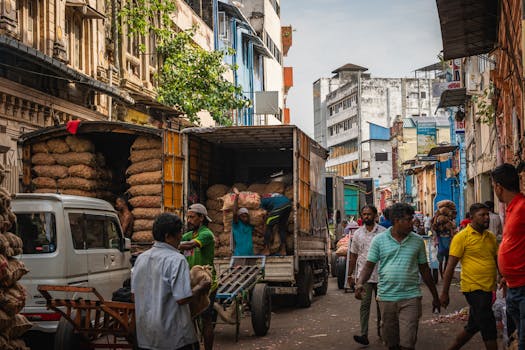
Minitski Editorial:**Wheat Consumption Rises Significantly in Sri Lanka’s Economic Upswing**
Sri Lanka is currently witnessing a notable surge in wheat consumption, driven by a revival in both its economy and its tourism sector. This increase in demand poses significant implications for market dynamics, infrastructure development, and international trade, raising questions about the sustainability of these trends and their long-term effects on the island nation’s economic landscape.
As Sri Lanka emerges from a prolonged phase marked by economic challenges and a pandemic-induced downturn, the recent uptick in wheat consumption reflects a broader resurgence in consumer confidence and spending. The tourism sector, a vital component of the Sri Lankan economy, has witnessed a resurgence as international travel restrictions have eased, leading to heightened demand for food products typically favored by tourists. Such developments could bode well for local businesses and contribute to revitalizing the agricultural sector, which has historically relied on imports to meet its wheat demands.
In response to this demand, the nation is likely to face a need for enhanced infrastructure to support increased imports and distribution channels. This implies potential investments in logistics, storage facilities, and transportation networks, which are critical for ensuring the timely and efficient delivery of wheat products to consumers and businesses alike. With Sri Lanka positioned strategically in the South Asian market, these developments could attract foreign investments aimed at bolstering the agricultural supply chain and modernizing infrastructure.
Moreover, the rising demand for wheat does not only address immediate consumer needs but also presents potential opportunities for trade expansion. As the government is expected to seek stronger trade relations, partnerships with exporting nations could be further formalized to ensure a steady supply of wheat. This could ultimately lead to favorable terms for Sri Lanka in negotiating trade agreements, impacting the overall economic growth trajectory.
While the increased wheat consumption is a positive indicator of recovery, it remains crucial for stakeholders to monitor market conditions carefully. Addressing the sustainability of demand and ensuring that local agriculture can adapt to growing preferences will be vital for maintaining economic stability.
In summary, the surge in wheat consumption in Sri Lanka signals a critical point for its economic recovery, intertwining possibilities for growth in infrastructure and trade while highlighting the importance of sustainable practices in meeting both local and tourism-oriented food demands.
**Public Domain Sources**: Economic reports, trade statistics, tourism growth data, agricultural market analysis.