
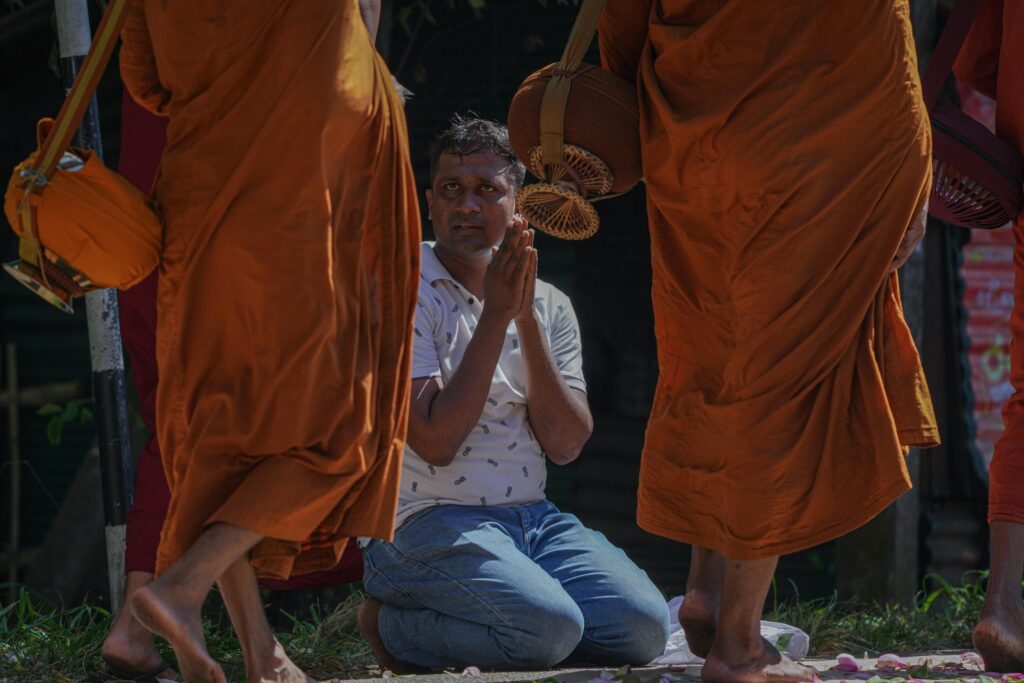
• The prompt detention of a venerable monk under Sri Lanka’s child–protection statutes reflects the state’s resolve to apply criminal law impartially, even within longstanding religious institutions.
• According to local reports, police investigations at the Anuradhapura temple complex have brought to light significant shortcomings in internal governance and oversight mechanisms among senior clergy.
• The ensuing public indignation signals a pivotal shift in civic expectations, fuelling calls for enhanced transparency and external compliance audits of monastic administrations.
Minitski Verdict
This episode is poised to shape the evolution of Sri Lanka’s regulatory regime for religious bodies, pressing legislators to codify mandatory child‐safeguarding protocols and empower the National Child Protection Authority with unambiguous oversight. The judiciary’s handling of the case will serve as a barometer for the rule of law, testing whether ecclesiastical rank affords any de facto immunity. In the corporate and civic arenas alike, stakeholders will watch closely for signs of genuine institutional reform, as public confidence hinges on the consistent enforcement of legal obligations against entrenched privilege.