
Minitski Editorial:**Philippine Swimming Crab Exports to US Suspended: Market Implications**
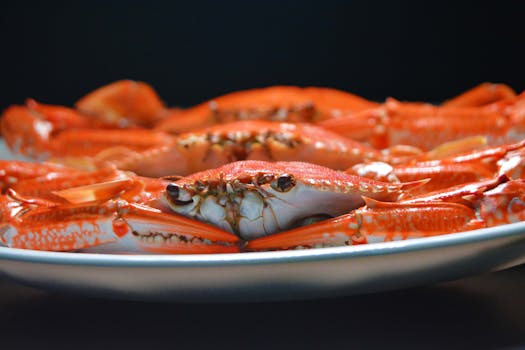
In a recent finding under the Marine Mammal Protection Act (MMPA), the United States has prohibited the importation of swimming crabs from the Philippines due to concerns over bycatch that endangers marine mammal populations. In stark contrast, the MMPA has granted export permissions for competitors Vietnam, Indonesia, and Sri Lanka, allowing them to continue supplying the lucrative US market. This significant regulatory shift raises critical implications for global seafood trade dynamics and market intelligence.
The prohibition on Philippine swimming crabs, recognized as a delicacy in various cuisines and increasingly favored in the US, comes at a time when demand for seafood continues to surge globally. The Philippines, once a vibrant source for this product, now faces not only immediate financial repercussions for its exporters but also potential long-term impacts on local fishing communities. This suspension comes amid broader efforts to enhance sustainability in the fishing industry, with the U.S. government emphasizing the need for adherence to wildlife protection regulations.
In contrast, the approval for swimming crab exports from Vietnam, Indonesia, and Sri Lanka suggests a potential uptick in their seafood trade, further securing these nations’ positions within the Asian seafood supply chain. Industry observers will likely witness an acute increase in competition among these nations as they aim to fill the void left by the Philippines. Exporters in these regions may need to ramp up production and enhance their logistics to meet the anticipated rise in U.S. demand.
Moreover, the infrastructural capacities of both exporting nations and the Philippine market will come under scrutiny. With Philippine producers now marginalized, focus shifts towards potential economic initiatives and infrastructure upgrading needed to regain market access. A commitment to sustainable practices, coupled with technological advancements in fishery management, may be essential for the Philippines to re-establish its standing within international seafood markets.
In summary, this recent MMPA finding not only reshapes the competitive landscape for swimming crab exports to the U.S. but also serves as a critical reminder of the evolving regulatory environment surrounding marine sustainability. Stakeholders must stay vigilant, balancing the immediate economic impacts with long-term strategic adaptations necessary for re-entry into the market.
Public domain sources for further information include government reports on fisheries management and trade data from international seafood market analyses.