
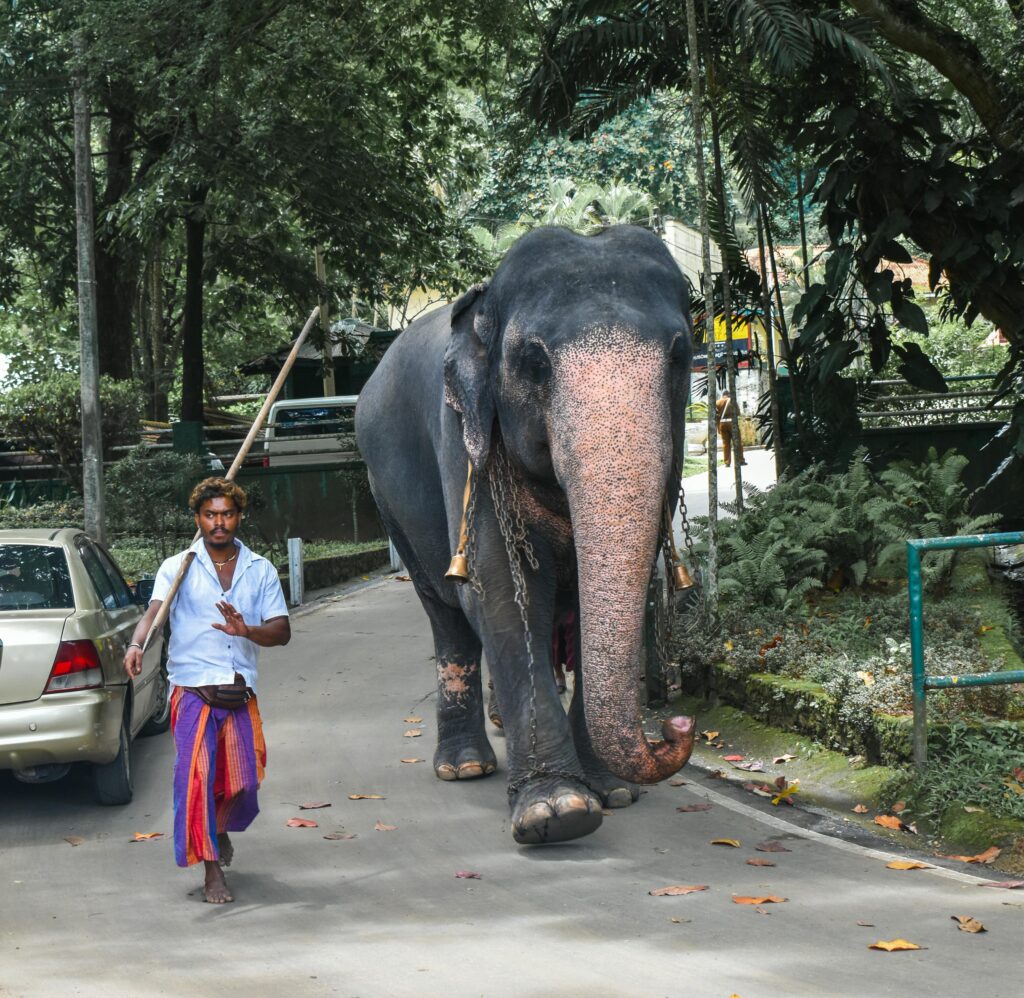
• Visitor testimonials underscore Sri Lanka’s competitive advantage in tourism through consistently high standards of urban cleanliness and public tranquillity, placing renewed emphasis on municipal authorities to sustain and enhance waste-management and public-order regulations.
• According to local reports, the island’s markedly lower cost structure has become a compelling draw for travellers, prompting the tourism ministry and finance regulators to revisit pricing policies that balance guest affordability with long-term fiscal sustainability for the hospitality sector.
• The widespread acclaim for serene environments presents an opportunity for hotel groups and tour operators to forge strategic public-private partnerships with civic bodies, ensuring adherence to environmental compliance and safeguarding Sri Lanka’s tourism brand.
Minitski Verdict:
This growing international endorsement of Sri Lanka’s clean, calm and cost-effective proposition will inevitably accelerate calls for a more robust regulatory framework and enhanced institutional oversight within the tourism and urban management spheres. Bolstered by public-private collaborations, municipal governance must evolve to meet rising visitor expectations while protecting environmental and fiscal integrity. Over time, these reforms could cement Sri Lanka’s reputation as a benchmark for sustainable, well-regulated tourism in South Asia, strengthening both its legal architecture and business climate.