
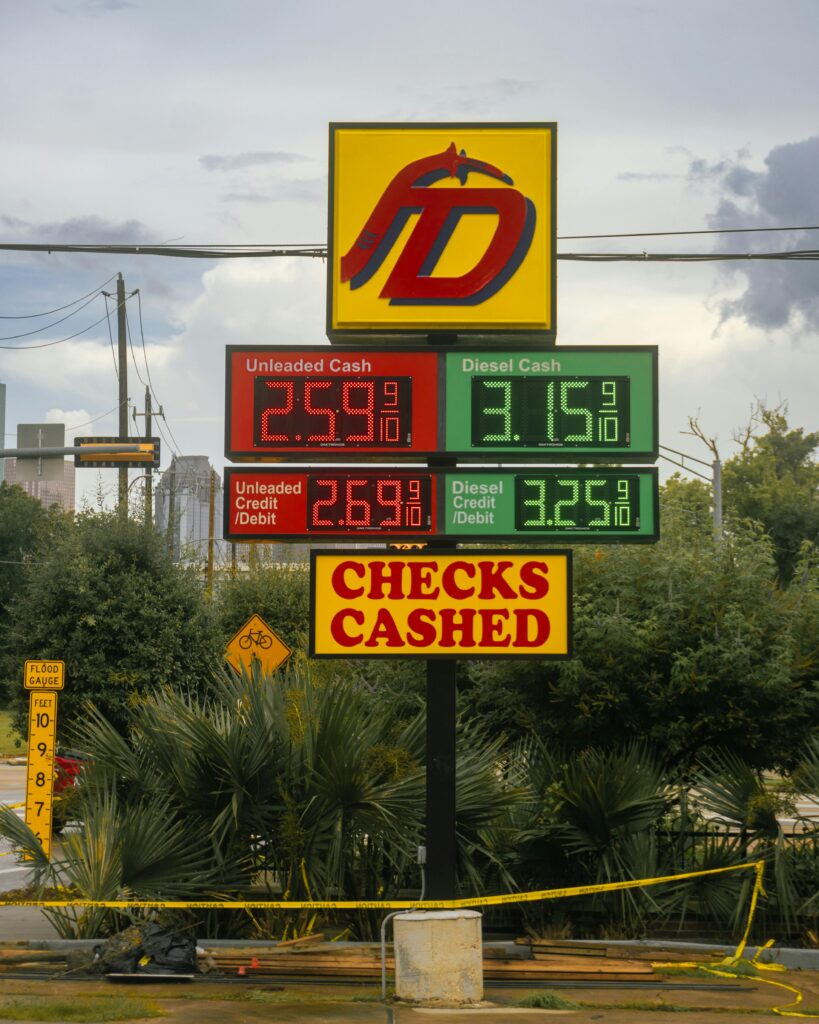
• A spurious fuel-price chart surfaced online, falsely signalling a sharp uptick in petrol and diesel tariffs, thus sowing confusion among market stakeholders.
• This malicious misrepresentation, according to news reports, exposed deficiencies in corporate governance protocols and regulatory oversight for public petroleum-pricing announcements.
• In response, the petroleum regulator republished the authentic price schedule and warned of legal action against entities disseminating unverified data, reinforcing consumer-protection mandates.
Minitski Verdict:
The swift spread of counterfeit pricing data underscores a critical gap in Sri Lanka’s digital-governance and regulatory frameworks within the energy sector. As disinformation blurs the line between official notices and hoax materials, regulators must adopt real-time authentication systems and impose firmer sanctions to deter future infractions. The private sector, too, will be compelled to invest in enhanced due diligence and crisis-communication protocols to maintain stakeholder trust. In the long run, this episode could drive the institutionalisation of robust digital-compliance standards, bolstering the integrity of public information channels and fortifying the business climate.